 Laziotony
Full List of Polling Unit Numbers and ID Codes in Kano State
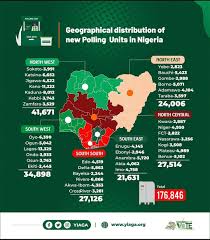
Find the complete list of polling unit numbers, polling unit ID codes, wards, and voting locations in Kano State. This guide helps voters identify their polling units, locate electoral wards, and understand how to reach their assigned voting centers before election day.
Kano State is one of Nigeria’s largest voting states and contains more than 8,000 polling units distributed across its 44 local government areas.
Kano State Polling Unit Overview
| Item | Details |
|---|---|
| State | Kano State |
| Total LGAs | 44 |
| Total Polling Units | 8,028+ |
| Region | North West |
| Electoral Body | INEC |
Source: Kano State Polling Unit Directory.
Local Government Areas in Kano State
The following are the 44 local government areas in Kano State:
- Ajingi
- Albasu
- Bagwai
- Bebeji
- Bichi
- Bunkure
- Dala
- Danbatta
- Dawakin Kudu
- Dawakin Tofa
- Doguwa
- Fagge
- Gabasawa
- Garko
- Garun Mallam
- Gaya
- Gezawa
- Gwale
- Gwarzo
- Kabo
- Kano Municipal
- Karaye
- Kibiya
- Kiru
- Kumbotso
- Kunchi
- Kura
- Madobi
- Makoda
- Minjibir
- Nasarawa
- Rano
- Rimin Gado
- Rogo
- Shanono
- Sumaila
- Takai
- Tarauni
- Tofa
- Tsanyawa
- Tudun Wada
- Ungogo
- Warawa
- Wudil
Ajingi L.G.A Polling Units/Wards
Ajingi Ward Polling Unit ID Numbers
There are twenty-five (25) polling unit ID numbers in Ajingi Ward.
| Polling Unit ID | Polling Unit Name | Remark |
|---|---|---|
| 001 | ANSARUDDEEN ISLAMIYYA SCH | EXISTING PU |
| 002 | OPPOSITE GIDAN ALKALI | EXISTING PU |
| 003 | KUMAWA BORI, NEAR W/H HOUSE | EXISTING PU |
| 004 | MALIKAWA/ZARAWA, AJINGI YAMMA PS I | EXISTING PU |
| 005 | MALIKAWA/ZARAWA, AJINGI YAMMA PS II | EXISTING PU |
How to Locate Ajingi Polling Units
Voters registered in Ajingi should verify:
| Voter Card Field | Example |
|---|---|
| State | Kano |
| LGA | Ajingi |
| Ward | Ajingi |
| Polling Unit Code | 004 |
Nearest landmarks include:
- Ajingi Central Market
- Ajingi Primary School
- Ajingi Local Government Secretariat
Kano Municipal L.G.A Polling Units/Wards
Kano Municipal has over 461 polling units.
| Polling Unit ID | Polling Unit Name | Remark |
|---|---|---|
| 001 | GANDU S.P.S. I (GANDUN ALBASA I) | EXISTING PU |
| 002 | GANDU S.P.S. II (GANDUN ALBASA II) | EXISTING PU |
| 003 | GANDU S.P.S. III (GANDUN ALBASA III) | EXISTING PU |
How to Reach Kano Municipal Polling Units
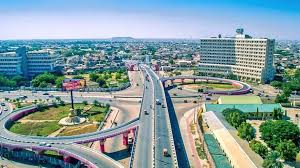
Most polling units in Kano Municipal are located around:
- Government schools
- Community centers
- Open public spaces
- Islamic schools
- Health clinics
Voters can access many locations through:
- Murtala Mohammed Way
- Zaria Road
- Ibrahim Taiwo Road
Takai L.G.A Polling Units/Wards
Fajewa Ward Polling Unit ID Numbers
| Polling Unit ID | Polling Unit Name | Remark |
|---|---|---|
| 001 | DARA | EXISTING PU |
| 002 | DUTSE MAIKAI | EXISTING PU |
| 003 | FAJEWA KOFA | EXISTING PU |
Bunkure L.G.A Polling Units/Wards
Bono Ward Polling Unit ID Numbers
| Polling Unit ID | Polling Unit Name | Remark |
|---|---|---|
| 001 | BONO CIKIN GARI | EXISTING PU |
| 002 | DAN DANGANA C/GARI I | EXISTING PU |
| 003 | DAN DANGANA C/GARI II | EXISTING PU |
| 004 | JIROJI CIKIN GARI | EXISTING PU |
| 005 | JIROJI ZANGO | EXISTING PU |
| 006 | LARISKI | EXISTING PU |
| 007 | UNGUWAR BAKI I | EXISTING PU |
| 008 | UNGUWAR BAKI II | EXISTING PU |
| 009 | UNGUWAR KARWAI | EXISTING PU |
| 010 | UNGUWAR BUGAJE | EXISTING PU |
Karaye L.G.A Polling Units/Wards
Karaye Ward Polling Unit ID Numbers
| Polling Unit ID | Polling Unit Name | Remark |
|---|---|---|
| 001 | CHEDE I | EXISTING PU |
| 002 | CHEDE II | EXISTING PU |
| 003 | CHEDE III | EXISTING PU |
| 004 | JAMO I | EXISTING PU |
| 005 | JAMO II | EXISTING PU |
| 006 | JAMO III | EXISTING PU |
| 007 | JAMO IV | EXISTING PU |
| 008 | NA’IBAWA I | EXISTING PU |
| 009 | NA’IBAWA II | EXISTING PU |
| 010 | NA’IBAWA III | EXISTING PU |
Voter Guide for Kano State Polling Units
Before election day:
- Confirm your polling unit code.
- Verify your ward.
- Arrive early.
- Carry your PVC.
- Follow INEC accreditation instructions.
- Confirm the nearest landmark to your polling unit.
Election officials normally place polling units around:
- Primary schools
- Secondary schools
- Health centers
- Village squares
- Community halls
Voters should locate their assigned centers before election day to avoid delays.
Frequently Asked Questions
How many polling units are in Kano State?
Kano State has more than 8,028 polling units.
How many LGAs are in Kano State?
There are 44 local government areas in Kano State.
How can I locate my polling unit?
Check your PVC details and match your:
- State
- LGA
- Ward
- Polling Unit Code
with the polling unit list.
Where are polling units usually located?
Most are situated in:
- Schools
- Community centers
- Open public spaces
- Health facilities
Articles You May Also Like:
Rob Hirst Biography 2026 —Age, Family, Career & Death
Thandeka Tshabalala Biography 2026 —Age, Family & Career
Summary of Polling Units in Kano
Kano Election Culture and Voting System
Kano State is one of the most politically active and influential states in Nigeria. With a large population, strong party structures, and highly engaged voters, elections in Kano are often intense, widely followed, and capable of shaping national political outcomes. Understanding Kano’s election culture and voting system requires looking beyond polling units and wards into the deeper social, historical, and political behaviors that define how people participate in elections.
1. Overview of Kano’s Political Importance
Kano State is often referred to as a political “stronghold” in Nigeria because of its large number of registered voters and consistent voter turnout during elections. As one of the most populous states in the country, Kano has significant influence in presidential, gubernatorial, and legislative elections.
Political parties place heavy focus on Kano because winning the state can strongly affect national results. This makes elections in the state highly competitive, with intense campaigning, grassroots mobilization, and strong voter engagement at community level.
2. Election Culture in Kano State
The election culture in Kano is deeply rooted in community identity, political loyalty, and strong civic participation. Over the years, voting in Kano has evolved into a socially significant event where family influence, religious leadership, and community structures all play a role.
Strong Party Loyalty
One of the most noticeable aspects of Kano’s election culture is strong party loyalty. Many voters tend to align with major political parties based on long-standing political traditions, leadership influence, and ideological beliefs. This loyalty often influences voting decisions more than campaign promises.
Influence of Community Leaders
Traditional leaders, religious scholars, and community elders play a significant role in shaping voter opinion. Their endorsements or opinions can influence entire communities, especially in rural areas where trust in local leadership is strong.
High Voter Engagement
Compared to many other states, Kano consistently records high voter turnout. Elections are seen as an important civic responsibility, and many residents actively participate in campaigns, rallies, and voting day activities.
Youth Participation
Kano has a large youth population, and young voters play an increasingly important role in shaping election outcomes. Social media, political discussions, and grassroots mobilization have increased youth awareness and participation in recent elections.
3. Voting System in Kano State
The voting system in Kano follows the national electoral framework established by the Independent National Electoral Commission (INEC). Elections are conducted using a structured and standardized process across all polling units.
Voter Registration System
Before any election, eligible voters must register with INEC to obtain a Permanent Voter Card (PVC). This card is required to vote at designated polling units.
Registration ensures that:
- Only eligible citizens vote
- Each voter is assigned to a specific polling unit
- Electoral records are properly maintained
Accreditation Process
On election day, voters must go through accreditation before voting. This process includes:
- Verification of PVC
- Biometric identification using BVAS (Bimodal Voter Accreditation System)
- Confirmation that the voter is assigned to that polling unit
This system helps reduce fraud and ensures transparency in the electoral process.
Voting Procedure
After accreditation, voters proceed to cast their ballots in a private voting booth. The process includes:
- Receiving ballot papers for different elections
- Marking the preferred candidate or party
- Folding the ballot paper securely
- Depositing it into the correct ballot box
Voting is conducted in secrecy to protect voter privacy and ensure free choice.
Use of BVAS Technology
The introduction of BVAS has significantly improved election credibility in Kano and across Nigeria. The system:
- Verifies voter identity using fingerprints and facial recognition
- Prevents multiple voting
- Uploads results electronically to reduce manipulation
This technology has strengthened trust in the electoral process, although challenges still exist in some areas.
Result Collation Process
After voting ends, results are counted at polling units in the presence of party agents, observers, and security officials. The results are then:
- Documented on result sheets
- Announced at polling unit level
- Transferred to ward collation centers
- Moved to local government collation centers
- Finally sent to the state collation center
This multi-level system ensures transparency and verification at each stage.
4. Security During Elections in Kano
Security is a major part of election planning in Kano State due to its size and political importance. Agencies such as:
- Nigeria Police Force
- Civil Defence Corps
- Military units (in high-risk situations)
are deployed to ensure peace and order during elections.
Security personnel monitor:
- Polling units
- Major roads
- Collation centers
- Community hotspots
Their presence helps reduce electoral violence and ensures voters can safely participate.
5. Challenges in Kano’s Electoral System
Despite improvements in recent years, several challenges still affect elections in Kano:
Electoral Violence
In some cases, political competition can lead to clashes between supporters of different parties, especially during high-stakes elections.
Vote Buying Allegations
Vote buying remains a concern in some areas, where voters may be influenced by financial or material incentives.
Logistics Issues
Delayed arrival of voting materials or technical issues with accreditation systems can sometimes slow down the voting process.
Rural Accessibility
Some remote polling units face accessibility challenges, especially during poor weather conditions or infrastructure limitations.
6. Role of INEC in Kano Elections
The Independent National Electoral Commission (INEC) plays a central role in managing elections in Kano State. Its responsibilities include:
- Voter registration
- Distribution of PVCs
- Election logistics
- Training of election officials
- Result collation and announcement
INEC’s efforts in introducing technology and improving transparency have significantly modernized elections in Kano over the years.
7. Importance of Elections in Kano Communities
Elections in Kano are not just political events—they are community-wide activities that involve discussions, mobilization, and participation at all levels.
For many residents:
- Voting is a civic duty
- Elections determine local development
- Political outcomes affect daily life
As a result, election periods often become highly active times in both rural and urban communities.
8. Conclusion
Kano State’s election culture is a blend of tradition, political awareness, strong community influence, and increasing technological integration. The voting system, guided by INEC, continues to evolve with improved tools like BVAS and stronger security measures.
However, challenges such as vote buying, political tension, and logistical difficulties still exist. Despite this, Kano remains one of the most politically engaged states in Nigeria, with elections that attract national attention due to their scale and influence.
Understanding Kano’s voting system and election culture is essential for anyone studying Nigerian politics, electoral behavior, or democratic participation in West Africa.

 Laziotony