 Laziotony
Ousmane Sonko Biography (Background, Career & Others)
Introduction
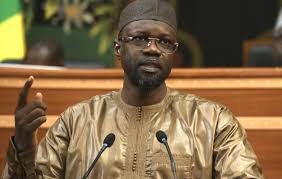
Ousmane Sonko is a 52-year-old Senegalese politician who’s currently making wave after being appointed as the President of National Speaker.
Few African politicians in recent years have generated as much attention, controversy, and public enthusiasm as Ousmane Sonko. Known for his fiery speeches, anti-corruption stance, nationalist ideology, and massive youth support, Sonko has transformed Senegal’s political landscape and emerged as one of the most influential figures in modern West African politics.
From working as a tax inspector to becoming the face of opposition politics in Senegal, Sonko’s rise has been dramatic. His political journey has been marked by legal battles, mass protests, imprisonment controversies, presidential ambitions, and eventually his emergence as Prime Minister before recently entering another major political phase as Speaker of Senegal’s Parliament.
In 2026, Sonko is once again dominating headlines after a major political fallout with Senegalese President Bassirou Diomaye Faye. The recent developments have sparked fresh debates about the future of Senegal’s democracy, governance, debt crisis, and political stability.
This article explores Ousmane Sonko’s biography, education, political career, controversies, achievements, family life, and the recent political wave surrounding him in Senegal.
Early Life and Background
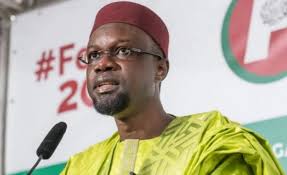
Ousmane Sonko was born on July 15, 1974, in Thiès, Senegal. He spent much of his early life in the Casamance region, an area that would later play a significant role in shaping his political identity and support base.
Sonko comes from a modest background and was raised in a family deeply connected to Senegalese cultural and social values. His upbringing exposed him to the everyday struggles of ordinary Senegalese citizens, something he often references in his political speeches.
He pursued higher education at the prestigious Gaston Berger University, where he studied law and obtained a degree in public law before later attending Senegal’s National School of Administration.
Career as a Tax Inspector
Before entering politics, Sonko worked as a tax inspector for the Senegalese government. During this period, he built a reputation for being outspoken against corruption and financial misconduct within government institutions.
He eventually became involved in labor activism and co-founded a tax workers’ union that challenged corruption and lack of transparency in Senegal’s financial system.
His anti-corruption campaigns quickly made him popular among ordinary citizens, especially young people frustrated with unemployment, poverty, and elite political dominance.
Sonko later accused powerful political elites of hiding wealth abroad and engaging in corrupt practices involving Senegal’s natural resources. These allegations increased his popularity among reform-minded Senegalese citizens.
Formation of PASTEF
In 2014, Sonko founded the political party:
PASTEF
The full name means “African Patriots of Senegal for Work, Ethics, and Fraternity.”
PASTEF positioned itself as:
- Anti-corruption
- Pan-Africanist
- Nationalist
- Youth-driven
- Anti-establishment
The party rapidly gained popularity among Senegalese youth, students, unemployed graduates, and citizens tired of traditional political elites.
Sonko’s speeches often emphasized:
- Economic sovereignty
- Resource control
- Transparency
- Justice reforms
- Reduced foreign influence in Africa
His political style was aggressive, charismatic, and confrontational, making him one of Senegal’s most talked-about politicians.
Rise to National Prominence
Sonko first gained significant national attention during the 2019 Senegalese presidential election.
Although he did not win, he finished third and established himself as a major opposition force.
Many political observers noted that Sonko had successfully connected with young voters frustrated by:
- Rising unemployment
- Corruption
- Economic inequality
- Elite politics
His popularity continued growing rapidly after the election.
Legal Battles and Political Controversies
One of the biggest turning points in Sonko’s career came through a series of legal cases that deeply divided Senegal.
He faced accusations involving:
- Defamation
- Moral misconduct allegations
- Public disorder accusations
Sonko consistently denied wrongdoing and claimed the cases were politically motivated attempts to stop his presidential ambitions.
His supporters strongly believed he was being targeted by the government because of his rising popularity.
The legal disputes triggered:
- Violent protests
- Political unrest
- Internet shutdowns
- International concern
Several clashes between protesters and security forces reportedly resulted in deaths and injuries during periods of unrest in Senegal.
Despite the controversies, Sonko’s support base became even stronger.
Many supporters saw him as:
- A symbol of resistance
- A victim of political persecution
- A reformer challenging entrenched elites
Relationship With Bassirou Diomaye Faye
One of the most fascinating aspects of Senegalese politics is Sonko’s political relationship with Bassirou Diomaye Faye.
Both men were allies within PASTEF and shared similar political ideologies.
When Sonko faced legal obstacles preventing him from contesting the 2024 presidential election, Faye emerged as the party’s candidate.
Faye eventually won the presidency in 2024, becoming one of Africa’s youngest elected presidents.
After the victory:
- Sonko became Prime Minister
- Faye became President
- PASTEF secured enormous political influence
Initially, many people believed the duo represented a new era for Senegal.
Their government promised:
- Transparency
- Economic reforms
- Sovereignty
- Youth empowerment
- Institutional reforms
Sonko as Prime Minister
As Prime Minister, Sonko pushed several major initiatives.
These included:
- Audits of oil and gas contracts
- Mining sector reforms
- Anti-corruption investigations
- Public spending reviews
- Economic sovereignty policies
He strongly advocated renegotiating contracts involving Senegal’s natural resources.
Sonko argued that Senegal needed to gain better control over its:
- Oil
- Gas
- Minerals
- Public finances
His administration also focused on reducing dependence on foreign financial institutions and international influence.
This approach earned him praise from Pan-Africanist supporters but also generated concern among investors and international financial organizations.
Sonko’s Massive Youth Support
One of Sonko’s greatest political strengths has been his connection with young people.
Senegal has a large youth population facing:
- Unemployment
- High living costs
- Migration challenges
- Limited economic opportunities
Sonko’s message of national transformation resonated strongly with this demographic.
His rallies often attracted huge crowds, especially students and young urban voters.
Many supporters viewed him as:
- Honest
- Fearless
- Different from traditional politicians
He frequently encouraged youth participation in politics and national development.
Recent Political Wave in 2026
The Major Political Rift
In 2026, Senegal witnessed a dramatic political development involving Sonko and President Faye.
Reports indicated growing tensions between the two leaders over:
- Debt management
- IMF negotiations
- Economic reforms
- Political influence
The disagreement reportedly centered around how Senegal should handle its worsening debt crisis.
Sonko favored:
- Economic sovereignty
- Tougher renegotiation of contracts
- Reduced IMF influence
- Alternative financing strategies
Meanwhile, Faye appeared more open to:
- International negotiations
- Investor confidence measures
- Economic stabilization approaches
These ideological differences gradually created cracks within Senegal’s ruling leadership.
Sonko Removed as Prime Minister
In May 2026, President Faye dismissed Sonko as Prime Minister and dissolved the government.
The decision shocked many supporters and observers across Africa.
The political fallout immediately triggered:
- Public debate
- Investor uncertainty
- Political tension
- Speculation about the future of PASTEF
Many analysts described the event as the most serious political split in Senegal since the party came to power.
Sonko Elected Speaker of Parliament
Shortly after being removed as Prime Minister, Sonko made an extraordinary political comeback.
Senegal’s parliament elected him as Speaker of the National Assembly.
This move was widely interpreted as:
- A show of Sonko’s enduring influence
- A challenge to President Faye
- A new phase in Senegalese politics
Sonko reportedly secured overwhelming parliamentary support because PASTEF still controlled a large majority in the National Assembly.
Political observers believe this new role gives Sonko:
- Major legislative influence
- Political protection
- A strong national platform
- Continued relevance ahead of future elections
International Reactions and Economic Concerns
The political tensions between Sonko and Faye have generated international concern.
Several reports noted that investors became worried about:
- Debt restructuring
- IMF negotiations
- Senegal’s economic direction
- Political stability
Financial analysts warned that the crisis could affect:
- Bond markets
- Investor confidence
- Economic reforms
Morgan Stanley reportedly warned about increased risks related to Senegal’s debt situation after Sonko’s removal as Prime Minister.
Articles You May Also Like:
Rob Hirst Biography 2026 —Age, Family, Career & Death
Thandeka Tshabalala Biography 2026 —Age, Family & Career
Carterefe Wife, Elma Biography 2026, Early Life, Relationship And Controversy
Daniel Laryea Biography 2026 —Age, Background & Career
Somtochukwu Christelle Maduagwu Biography: Family, Spouse, Real Name, Career, Net Worth, Age (2025)
Bethel Damian Biography 2025 —Background, Education And Lifestyle
Nathi Mthethwa Biography 2025: Age, Spouse, Children, Career, Net Worth And Death
Roger Lukaku Biography 2025: Age, Spouse, Children, Career, Net Worth And Death
Public Reactions to Sonko’s Political Wave
The Senegalese public remains deeply divided over Sonko.
Supporters Believe:
- He fights corruption
- He defends national sovereignty
- He represents youth interests
- He challenges elite control
Critics Argue:
- His style is confrontational
- He increases political instability
- His rhetoric can be polarizing
- Some supporters treat him with excessive political devotion
Discussions on social platforms and public forums show how emotionally charged Senegalese politics has become around Sonko’s personality and influence.
Sonko and African Pan-Africanism
Sonko’s political image extends beyond Senegal.
Across Africa, many young Africans admire him because he represents:
- Economic independence
- Anti-corruption activism
- Resistance to foreign influence
- Youth political participation
His speeches often emphasize African dignity, sovereignty, and self-determination.
This has helped him build a continental following among Pan-Africanist movements and political activists.
Family and Personal Life
Despite his public visibility, Sonko tends to keep much of his family life private.
However, it is known that:
- He is married
- He has children
- He values religion and traditional Senegalese culture
His supporters often portray him as disciplined, religious, and focused on national service.
Political Legacy and Future Ambitions
Many observers believe Sonko still has presidential ambitions for the future.
Recent legal and political changes may potentially allow him to contest future elections, including the 2029 presidential race.
His influence within Senegalese politics remains enormous.
Even after being dismissed as Prime Minister, his election as Speaker of Parliament demonstrates that:
- He remains politically powerful
- His support base is still active
- He continues shaping Senegal’s political direction
Challenges Facing Sonko
Despite his popularity, Sonko faces several major challenges:
1. Political Rivalries
His relationship with President Faye may continue affecting national governance.
2. Economic Pressures
Senegal faces debt and economic concerns that require difficult policy decisions.
3. Public Expectations
Supporters expect rapid reforms and economic improvements.
4. International Relations
Balancing nationalism with global economic cooperation remains difficult.
Ousmane Sonko’s Influence on Senegalese Democracy
Whether admired or criticized, Sonko has undeniably changed Senegalese politics.
He helped:
- Energize youth participation
- Challenge traditional elites
- Increase political engagement
- Push debates about sovereignty and governance
His rise also demonstrated the growing influence of younger African voters demanding accountability and reform.
Conclusion
Ousmane Sonko remains one of Africa’s most influential and controversial political figures.
From tax inspector to opposition icon, Prime Minister, and now Speaker of Parliament, his political journey reflects the evolving dynamics of modern African democracy.
The recent political wave surrounding Sonko has once again placed Senegal at the center of African political discussions. His clash with President Bassirou Diomaye Faye has created uncertainty but also highlighted the intense ideological debates shaping Senegal’s future.
Whether Sonko eventually becomes president or continues influencing politics from parliament, one thing is certain: his impact on Senegalese politics will remain significant for many years to come.
FAQ About Ousmane Sonko
Who is Ousmane Sonko?
Ousmane Sonko is a Senegalese politician, former Prime Minister, founder of PASTEF, and current Speaker of Senegal’s National Assembly.
Why is Ousmane Sonko popular?
He is popular because of his anti-corruption stance, nationalist policies, youth-focused message, and criticism of political elites.
What party does Ousmane Sonko belong to?
He founded the political party PASTEF.
Why was Ousmane Sonko removed as Prime Minister?
Reports suggest he was dismissed after disagreements with President Bassirou Diomaye Faye over economic and debt management policies.
What is Ousmane Sonko’s current position?
As of May 2026, he serves as Speaker of Senegal’s Parliament after being elected by lawmakers.
Is Ousmane Sonko planning to run for president?
Many political analysts believe he may contest future presidential elections, including the 2029 race.


 Laziotony