
 Laziotony
Ochanya Ogbanje Biography — Ochanya Ogbanje was born in 2005 at Benue State, Nigeria. Her story was a tragic one as she was allegedly molested and raped to death her uncle and son in 2018 while staying with them.
Ochanya Ogbanje Early Life
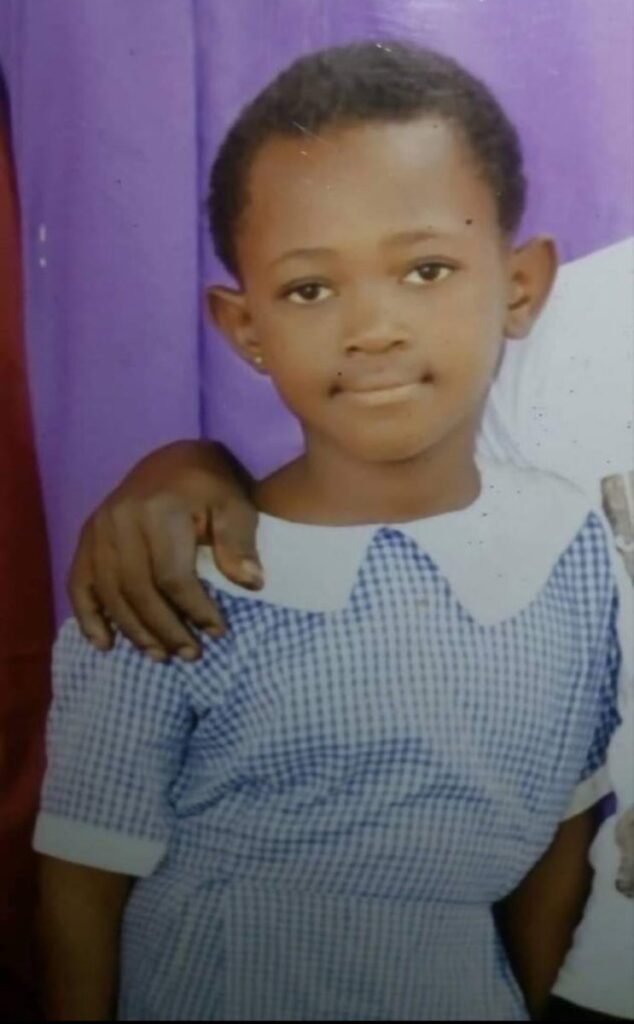
Ochanya Ogbanje was a born in 2005 in Ogene‑Amejo in Benue State. Her parents sent her to stay with relatives in Ugbokolo, Benue State so she could attend school — specifically the Federal Government Girls College, Gboko in Benue State.
It was hoped that through schooling and better‑living arrangements, Ochanya Ogbanje would receive a better life and also a better educational structure. The move also placed her under the guardianship of relatives — a decision her family made with good intentions, but which eventually became part of a tragic sequence.
Story
While living with the relatives in Benue State, the life of Ochanya Ogbanje took a bad turn. According to multiple investigations and media reporting, she was repeatedly sexually abused over a span of years by her guardian’s husband (identified as Andrew Ogbuja) and his son (identified as Victor Ogbuja). The abuse reportedly began when Ochanya Ogbanje was still very young, and the trauma she suffered resulted in serious medical complications.
According to reputable sources, Doctors diagnosed Ochanya Ogbanje with a vesicovaginal fistula (VVF), which is a medical condition where a hole forms between the bladder and the vagina, often causing urinary incontinence. In her case, the fistula was attributed to the repeated abuse and trauma she suffered rather than childbirth (which is a more typical cause in other settings).
During this period, Ochanya Ogbanje’s health worsened. Reports state she had to wear pampers for extended periods, struggled with loss of bodily control, and underwent treatment attempts at medical facilities including the Federal Medical Centre in Makurdi, Benue State.
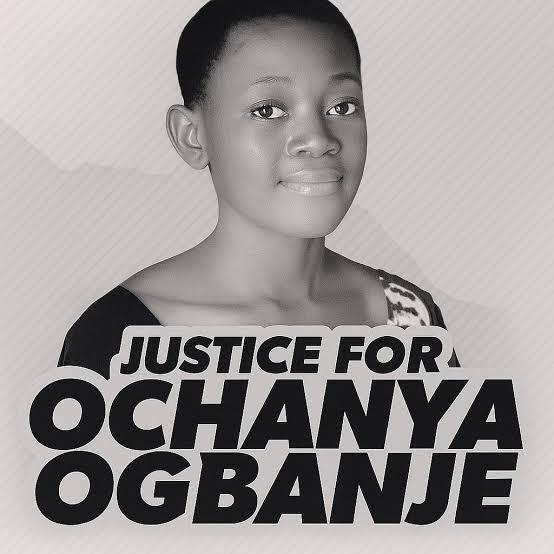
The public exposure of the case grew when her story became known in national media, civil society organisations and human rights platforms. The hashtag #JusticeForOchanya circulated widely as campaigners called for investigations, protections for children and prosecutions of perpetrators.
Death
On 17 October 2018, Ochanya Ogbanje died at the young age of 13. Her death was attributed to complications of the injury (VVF) and the trauma she had endured through years of abuse. The loss of Ochanya Ogbanje sparked national outrage, renewed calls for child‑protection reforms, and questions about the efficacy of justice and accountability mechanisms in Nigeria.
In the legal aftermath, while some persons were charged in connection with the abuse and death of Ochanya Ogbanje, accountability remained incomplete. For example, Andrew Ogbuja was acquitted in 2022 for rape and causing death of Ochanya Ogbanje on technical grounds. Meanwhile, some other defendants remain at large, symbolising the ongoing quest for justice for the young girl.
Articles You May Also Like:
Somtochukwu Christelle Maduagwu Biography: Family, Spouse, Real Name, Career, Net Worth, Age (2025)
Bethel Damian Biography 2025 —Background, Education And Lifestyle
Nathi Mthethwa Biography 2025: Age, Spouse, Children, Career, Net Worth And Death
Roger Lukaku Biography 2025: Age, Spouse, Children, Career, Net Worth And Death
Biography Of Kirk Bondad 2025 —Childhood, Pageant Journey, Age & Awards
Big Jiggy Biography 2025 —Real Name, Age, Relationship And Career
Boluwatife Balogun Biography 2025, Early Life, Education And Career
Legacy & Impact
The case of Ochanya Ogbanje has become emblematic of multiple issues: child sexual abuse, the vulnerability of children in guardianship arrangements, gender‑based violence, and the challenges of prosecuting sexual offences in Nigeria. Media coverage in 2025 emphasises that seven years after her death, Nigerians continue to demand justice for Ochanya Ogbanje.
Her story has also mobilised NGOs, advocacy campaigns and social‑media movements that spotlight the need for stronger laws, better child‑welfare systems and improved accountability for perpetrators of sexual violence. The enduring use of her name — Ochanya Ogbanje — in public discourse underscores the power of her narrative to serve as both caution and catalyst.

FAQ
Q: Who was Ochanya Ogbanje?
A: Ochanya Ogbanje was a Nigerian schoolgirl from Benue State who died at age 13 on 17 October 2018 after years of sexual abuse and medical complications.
Q: What led to the death of Ochanya Ogbanje?
A: The death of Ochanya Ogbanje resulted from a vesicovaginal fistula (VVF) and other complications linked to prolonged sexual abuse by family‑guardians.
Q: When did Ochanya Ogbanje die and how old was she?
A: Ochanya Ogbanje died on 17 October 2018 at the age of 13.
Q: What has been done about justice for Ochanya Ogbanje?
A: Legal proceedings were instituted; one guardian (Felicia Ogbuja) was convicted for negligence, while other accused persons remain at large or were acquitted. Renewed advocacy for justice continues.
Q: Why is Ochanya Ogbanje’s case significant?
A: Because her story highlights the vulnerabilities of children, especially girls, in educational and guardianship settings, as well as the challenge of prosecuting sexual offences in Nigeria and safeguarding child rights.
Sources
- “Seven years after 13‑year‑old Ochanya Ogbanje’s death, Nigerians renew calls for justice.” Premium Times, 30 October 2025. (Premium Times Nigeria)
- “The Tragic Story of Ochanya Ogbanje.” MoreBranches. (morebranches.com)
- “Legal technicality helps men who ‘defiled’ 13‑year‑old Ochanya to death walk free as calls for justice continue.” FIJ.ng, 25 Oct 2025. (Fij)
- “Death of Ochanya Ogbanje.” Wikipedia. (Wikipedia)
Conclusion
The life and death of Ochanya Ogbanje remain one of the most painful case of injustice and child vulnerability in Nigeria’s modern history. Her story, though filled with unbearable pain, continues to speak to the conscience of a nation still grappling with how to protect its most innocent. From a young girl with dreams of education to a victim of prolonged abuse and systemic failure, Ochanya’s experience exposes the dangers that often lie hidden within homes meant to provide care and safety.
Seven years after her passing, the call for #JusticeForOchanya still echoes through Nigeria’s streets, schools, and social media platforms. Activists, journalists, and ordinary citizens continue to demand accountability not just for her death but for all victims of sexual violence whose voices have been silenced by stigma and neglect.
Her name has become more than a story — it is a movement, a symbol of resilience, and a call for reform. Because of Ochanya, laws have been re-examined, awareness on child rights has deepened, and civil society’s role in defending the voiceless has grown stronger. Her death, though tragic, sparked a nationwide conversation about the culture of silence and the urgent need for protection of vulnerable children in guardianship and educational systems.
As Nigeria continues to seek justice and reform, Ochanya Ogbanje’s legacy endures — reminding everyone that every child deserves safety, dignity, and a chance to live free from fear.


 Laziotony