
 Laziotony
Hurricane In Florida: Latest guidance for Florida residents on hurricane risks in December 2025 — what forecasts say, recent seasonal context, and practical safety steps to prepare for any late-season or off-season storms.
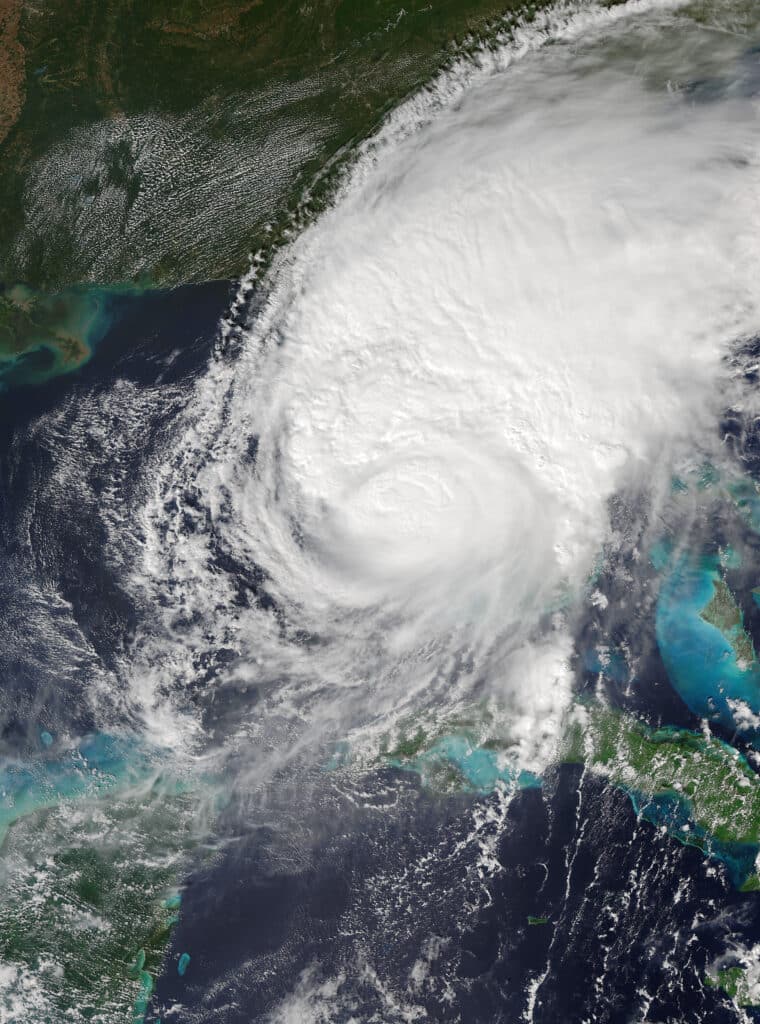
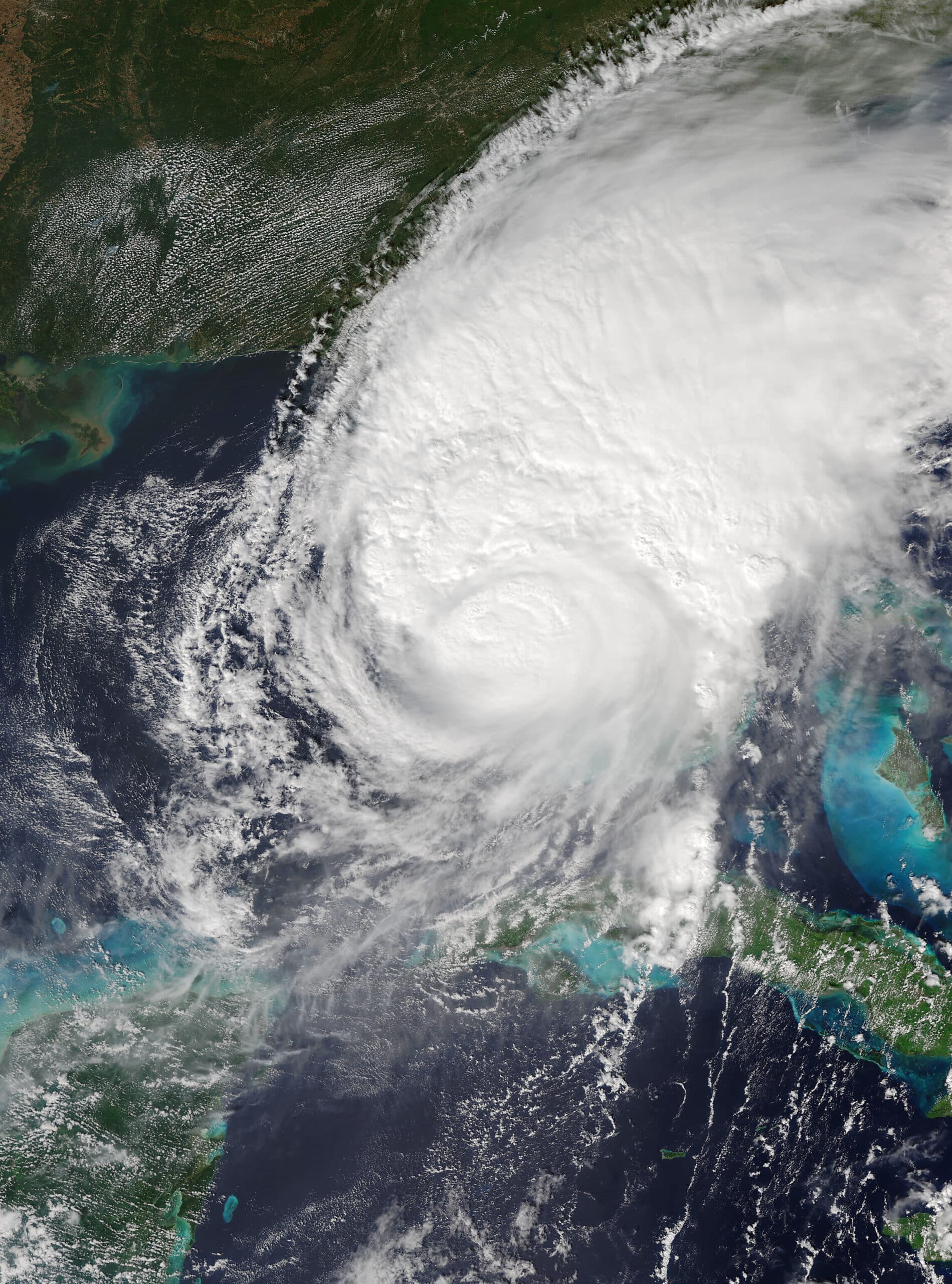
Hurricane in Florida: What to Expect in December 2025
Current official guidance indicates there is no active hurricane expected to hit Florida in December 2025 and the immediate outlook shows low tropical activity for the Atlantic basin this month. The National Hurricane Center (NHC) notes that tropical cyclone advisories typically pause after November 30, and as of early December there are no tropical cyclones in the Atlantic. This means the short-term risk of a tropical hurricane in Florida is low, although off-season development can never be entirely ruled out.
That said, seasonal and sub-seasonal drivers such as La Niña/ENSO and mid-latitude steering patterns influence how storms form and track. The World Meteorological Organization (WMO) has highlighted an increased chance of weak La Niña conditions into December–February, which can subtly change storm probabilities across the Atlantic and U.S. coastal regions. Forecasters stress that the official Atlantic hurricane season runs from June 1 to November 30, so any discussion of a hurricane in Florida in December should be framed as low-probability, high-impact off-season risk rather than a likely outcome.
Why December risk is low but not zero
Historically, tropical cyclones in the Atlantic that affect Florida are overwhelmingly concentrated in the June–November season. In 2025 the Atlantic season produced significant storms but, notably, ended without a U.S. hurricane landfall — a reminder that high basin activity does not always translate to U.S. impacts. Factors keeping December risk low include cooler sea surface temperatures in some parts of the Atlantic, increased wind shear, and typical seasonal atmospheric steering that displaces tropical development away from Florida. However, climate variability and episodic patterns occasionally allow late-season or early off-season formation, so the chance of an isolated hurricane cannot be said to be zero.
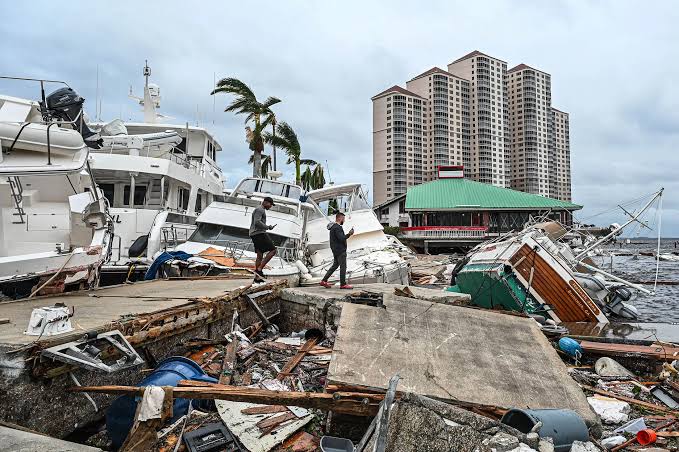
What forecasters are watching now
Forecast agencies (NOAA, NHC, and research groups) are focused on three things that would increase the chance of a late-season tropical cyclone affecting Florida:
- pockets of unusually warm ocean water near the Caribbean or Gulf of Mexico;
- a temporary drop in vertical wind shear over the western Atlantic or Gulf;
- a synoptic pattern that steers any developing system toward the southeastern U.S.
As of early December 2025, none of these elements have aligned to produce a clear signal for a hurricane in Florida during the month. Forecast products from NHC show no active systems and long-range guidance emphasizes seasonal cooling and neutral to weak La Niña influences through the winter. Nevertheless, residents should remain aware of updates from official agencies during the winter months.
The last hurricane season: what happened and why it matters
The 2025 Atlantic hurricane season produced several intense storms and above-average activity in some metrics, yet it concluded with an unusual outcome: no hurricanes made landfall in the United States. Researchers have attributed that result to mid-latitude steering currents and pockets of dry air and wind shear that steered storms away from the U.S. coastline while allowing rapid intensification out at sea. That pattern is important context for assessing any late-season risk of a hurricane in Florida because it shows how atmospheric steering can protect the U.S. even during active seasons.
Meteorological summaries from academic groups (including Colorado State University) and government sources confirm th7at warm Atlantic sea-surface temperatures supported storm formation in 2025, but unfavorable steering and shear limited U.S. landfalls. This illustrates how seasonal totals (named storms, hurricanes) are useful, but local risk for Florida depends on short-term patterns that can change quickly. The takeaway: the reduction in U.S. landfalls during the main season lowers immediate December worry but does not eliminate off-season possibilities for a hurricane in Florida.
Articles You May Also Like:
Somtochukwu Christelle Maduagwu Biography: Family, Spouse, Real Name, Career, Net Worth, Age (2025)
Bethel Damian Biography 2025 —Background, Education And Lifestyle
Nathi Mthethwa Biography 2025: Age, Spouse, Children, Career, Net Worth And Death
Roger Lukaku Biography 2025: Age, Spouse, Children, Career, Net Worth And Death
Biography Of Kirk Bondad 2025 —Childhood, Pageant Journey, Age & Awards
Big Jiggy Biography 2025 —Real Name, Age, Relationship And Career
Boluwatife Balogun Biography 2025, Early Life, Education And Career
How to stay safe in Florida during hurricane threats (practical steps)
Even with low probability in December 2025, Florida residents should treat hurricane preparedness as year-round resilience. The following checklist focuses on common-sense, high-impact actions to reduce risk from any tropical or severe coastal storm, including the rare off-season hurricane in Florida.
Before a storm threat
- Sign up for local alerts and follow NHC/NOAA updates — official agencies provide the most reliable guidance about a hurricane in Florida. (National Hurricane Center)
- Review your emergency plan: identify evacuation routes, a meeting point, and a communications plan for family members.
- Assemble a 72-hour kit: non-perishable food, water (1 gallon per person per day), flashlight, batteries, first-aid supplies, prescription medicines, and important documents in waterproof packaging.
- Prepare your home: trim loose branches, secure outdoor furniture, check sump pumps, clear gutters, and know how to shut off utilities if instructed.
- For coastal residents: keep fuel in vehicles and review local evacuation zones and shelter locations.
During official warnings
- Follow evacuation orders immediately if issued. Local authorities base orders on storm surge and flood risk, not just wind speed, and these hazards cause the majority of hurricane fatalities.
- Move to higher ground if you’re in a flood-prone area; do not drive through flooded roads.
- Keep emergency contacts and a battery-powered radio for updates if power and cellular service go down.
After the storm
- Avoid downed power lines and report them to authorities.
- Use generators safely — outdoors and away from windows — to prevent carbon monoxide poisoning.
- Photograph property damage for insurance claims and contact your insurer as soon as possible.
- Beware of contaminated water and follow local advisories before using tap water.
Practicing these steps keeps households safer regardless of whether a named hurricane in Florida materializes in December. Preparedness is cheap insurance against the rare but high-impact off-season event.
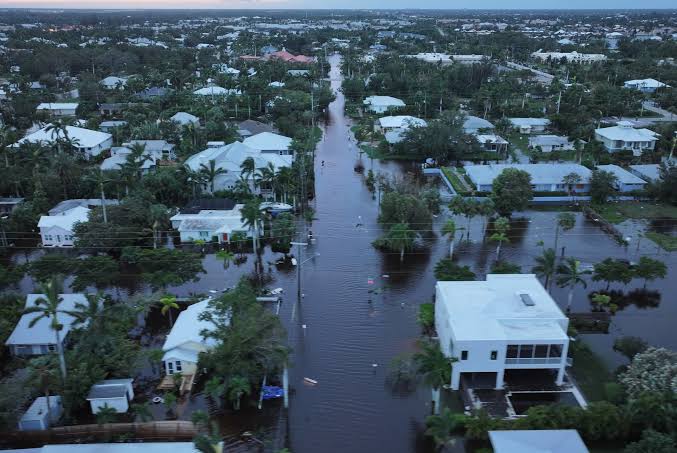
Why timely, local information matters more than seasonal headlines
Seasonal summaries and long-range forecasts are valuable for planning, but they cannot substitute for the short-term, localized guidance that determines whether you need to evacuate or secure your home. The NHC and local National Weather Service offices issue watches and warnings tailored to counties and coastal zones. If a tropical system shows signs of developing that could impact Florida in December, those agencies will provide targeted updates that should be followed precisely.
FAQ
- Could a hurricane hit Florida in December?
- Where will I get official updates if a storm threatens Florida in December?
- What is the difference between a storm watch and warning?
- How should I prepare my home for an off-season tropical storm?
- Are insurance policies affected if a hurricane hits in December?
- When is hurricane season
- When is hurricane Milton hitting Florida
Sources (compiled)
- National Hurricane Center (NOAA) — Current advisories and tropical weather outlook. (National Hurricane Center)
- World Meteorological Organization (WMO) — La Niña/ENSO and seasonal climate notes (news coverage). (Reuters)
- Houston Chronicle — Summary article on the 2025 season and U.S. landfall outcomes. (Houston Chronicle)
- Colorado State University (CSU) Tropical Cyclone Research — 2025 season summary and forecasts. (CSU Tropical Cyclones)
- NOAA Climate Prediction Center — Winter 2025–26 outlook and related forecasts. (National Weather Service)


 Laziotony