
Miguel Russo Biography —The legendary Argentine coach died on 8th October, 2025 at the age of 69 after years of battling cancer. He was one of the memorable coaches in South American football with the numerous trophies and accolades he won during his time.
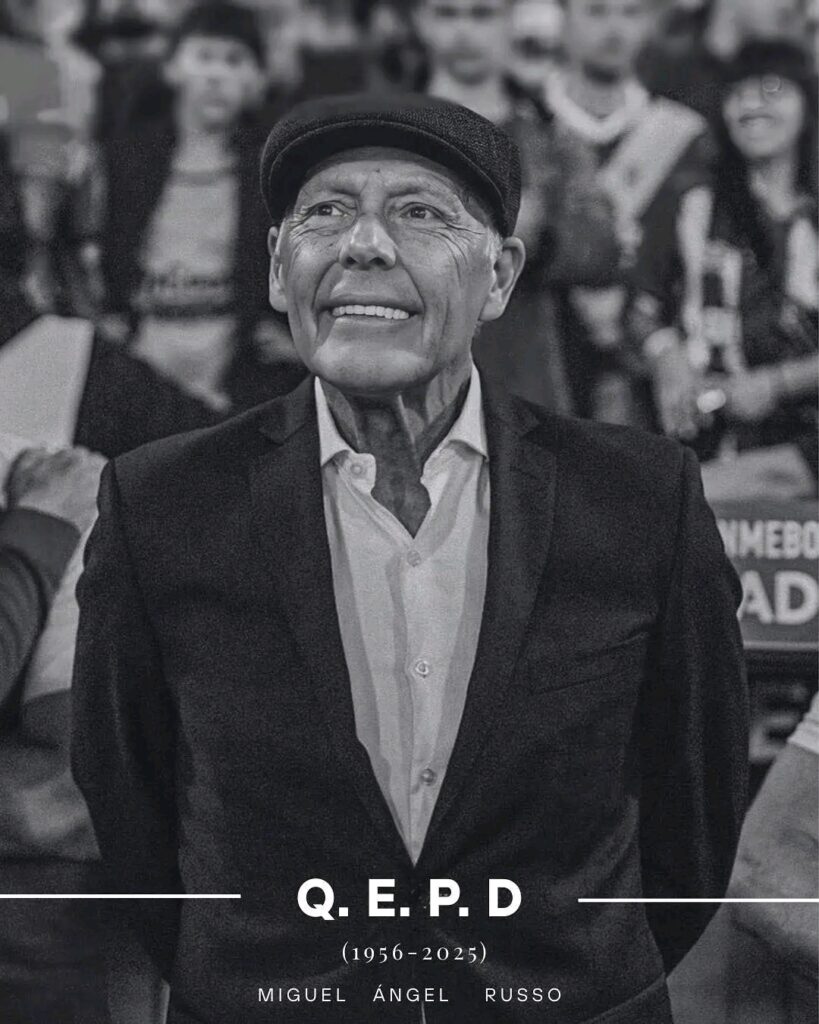
Miguel Russo — Early Life and Football Beginnings
Argentine legendary coach, Miguel Russo was born on April 9, 1956, in Lanús, Buenos Aires, Argentina. He grew up with an intense passion for football, which played huge role in his life. Growing up in a footballing country, his journey started when he joined a local youth team before being scouted by Estudiantes de La Plata, one of Argentina’s biggest clubs of all time.
Russo had a successful career during playing time majorly at Estudiantes de La Plata, where he played as a central midfielder from 1975 to 1988. His pattern of play wasn’t flashy, but his consistency, discipline and leadership made him outstanding and every coaches reliable player.
During his time at the club, he played a huge role in winning the Metropolitano Championship in 1982, a victory that went down as one of his biggest moment in his playing career. He is widely recognized by his teammates and coaches as intelligent footballer, due to the way he understands the game.

Transition from Player to Manager
Few years after retiring from playing, Russo found his path in coaching, and by the late 1980s. He was hired by Lanús by things weren’t that glamorous, but he didn’t stop learning and implementing new tactics.
Throughout the 1990s, Miguel Russo managed several Argentine clubs, with his football redefined philosophy. He coached Estudiantes, Rosario Central, and Vélez Sarsfield, where he achieved so many successes and earned a huge reputation on his name. His footballing tactics revolves around inculcating discipline, humility and honesty to his players.
By the late 1990s, Miguel Russo became a top manager in South America after leading with Rosario Central —where he led the club to a Copa CONMEBOL title in 1995.
Coaching Success and International Impact
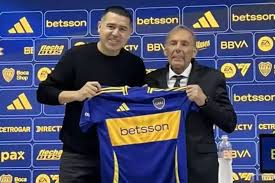
In 2007, he was appointed as manager of Boca Juniors, one of the biggest club in the world of football. In his first stint, Russo was impressive by guiding Boca Juniors to continental glory by winning the 2007 Copa Libertadores.
Winning the Copa Libertadores victory gave him a legacy as a world-class coach that couldn’t manage any top clubs around the world. After achieving much success in Boca Juniors, he went abroad to explore more greatness by coaching Millionarios of Colombia, where he won 2017 Categoría Primera A championship.
Article You May Also Like:
Somtochukwu Christelle Maduagwu Biography: Family, Spouse, Real Name, Career, Net Worth, Age (2025)
Julius Malema Biography 2025 —Age, Spouse, Kids, Career, Net Worth & Politics
Roger Lukaku Biography 2025: Age, Spouse, Children, Career, Net Worth And Death
Bethel Damian Biography 2025 —Background, Education And Lifestyle
Luke Dodge Biography; Childhood, Family & Net Worth 2025
Jihad Al-Shamie Biography 2025: Age, Nationality, Family & Manchester Attack
Miguel Russo — Death, Legacy, and Immortal Influence
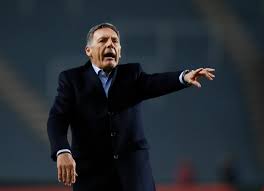
After battling cancer for few years, he graciously passed away on the 6th of October at the age of 69 after having a successful second stint at Boca Juniors.Miguel Russo reportedly developed cancer in 2024, which literally forced him to retire from coaching. After his death was globally announced, tributes poured in from across Argentina, Colombia, and beyond. Clubs he had managed — including Boca Juniors, Millonarios, Vélez Sarsfield, Rosario Central, and Estudiantes — all released emotional statements honoring his memory.
His final interviews reflected his gratitude for life. He once said, “Football gave me everything — friends, lessons, and the chance to be part of something bigger than myself.” Those words now resonate as his lasting message to the world.
Miguel Russo’s Impact on South American Football
The name Miguel Russo will forever be etched into South American football history as one with honesty, humility, and a deep love for the game. He represented the love South Americans have for the football through his tactical intelligence, emotional connection, and the ability to inspire belief in players despite the odds.Russo’s influence extended beyond his clubs and player as many young coaches draws inspiration from him and what he represent. He is role model to many and even ay death, he would continue to inspire the living into greater heights..
FAQ About Miguel Russo
Who was Miguel Russo?
Miguel Russo was an Argentine footballer and manager, best known for his time with Boca Juniors and Millonarios FC. He was respected worldwide for his tactical intelligence, humility, and leadership.
What teams did Miguel Russo manage?
Throughout his career, Miguel Russo managed several top clubs including Boca Juniors, Vélez Sarsfield, Rosario Central, Estudiantes, San Lorenzo, and Millonarios in Colombia.
What were Miguel Russo’s major achievements? Russo won the 2007 Copa Libertadores with Boca Juniors, the 2017 Colombian league title with Millonarios, and several domestic trophies in Argentina. His longevity and influence earned him legendary status.
Did Miguel Russo ever play professional football?
Yes. Before becoming a manager, Russo was a midfielder for Estudiantes de La Plata, where he played over 400 games and won the 1982 Metropolitano Championship.
How did Miguel Russo die?
Miguel Russo passed away in October 2025 at the age of 69 after a long and courageous battle with cancer. His death was mourned deeply across the football world.
What is Miguel Russo’s legacy?
The legacy of Russo lies in his humility, discipline, and love for football. He will be remembered as one of Argentina’s finest football minds and a gentleman who taught the world that class never fades.
What did fans and players say about him after his death?
After Russo’s death, tributes poured in from across the globe. Fans, former players, and clubs remembered him as a teacher, leader, and symbol of grace under pressure.
How is Miguel Russo remembered at Boca Juniors and Millonarios?
At Boca Juniors, he is immortalized for leading them to Copa Libertadores glory. At Millonarios, he remains a hero for restoring pride and bringing championship success during a difficult time.
What values did Miguel Russo stand for?
Russo believed in discipline, unity, humility, and passion for the game. He taught generations of footballers that respect and hard work are the foundations of true success.
Will Miguel Russo’s influence continue in football?
Absolutely. Coaches, players, and fans will continue to draw inspiration from Russo’s life, professionalism, and love for football. His story will remain a guiding light for future generations.