
Reptile Control is very important in our homes to avoid dangerous reptiles from sneaking into our house and causing harm. Here are some of the things you should do to keep your home safe from them.
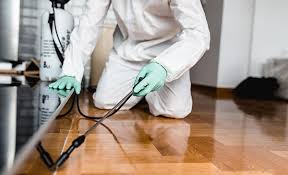
Reptile Control Methods and How to Stop Reptiles from Entering Your House
1. Introduction
Pests and reptiles entering homes are more than just a nuisance — they can pose serious health risks, cause property damage, and create an unsafe living environment. From cockroaches, termites, and rodents to reptiles like snakes, lizards, and geckos, homeowners worldwide struggle to maintain pest-free living spaces.
Effective pest control methods and reptile prevention strategies require a combination of awareness, proper sanitation, structural maintenance, and, when necessary, professional intervention. This comprehensive guide will walk you through proven pest control techniques and practical ways to stop reptiles from entering your house.
By the end of this article, you will understand:
- Different types of household pests and reptiles
- Natural and chemical pest control methods
- How reptiles gain access to homes
- Preventive strategies for long-term protection
2. Understanding Household Pests and Reptiles
Before addressing pest control, it’s important to understand what pests and reptiles are and why they enter homes.
Household pests include insects, rodents, birds, and microorganisms that invade homes for food, shelter, and breeding grounds. These pests thrive in environments where cleanliness is poor, cracks exist, or food is easily accessible.
Reptiles, such as snakes, lizards, and geckos, are cold-blooded animals that seek warm, safe, and food-rich environments. Homes provide shelter, warmth, and prey like insects and rodents — making them attractive habitats.
3. Common Pests Found in Homes
3.1 Insects
- Cockroaches – Spread bacteria, contaminate food, and cause allergies.
- Ants – Attracted to sugar, grease, and moisture.
- Termites – Destroy wooden structures silently.
- Mosquitoes – Carry diseases like malaria, dengue, and Zika virus.
- Bed bugs – Feed on blood and cause skin irritation.
3.2 Rodents
- Rats and mice chew through wiring, contaminate food, and spread diseases such as leptospirosis and salmonella.
3.3 Birds
- Birds nesting in roofs and vents cause noise, droppings, and structural damage.
4. Why Reptiles Enter Homes
Reptiles enter homes primarily due to:
- Search for food – Insects, rodents, and small animals.
- Shelter – Protection from predators and extreme weather.
- Warmth – Especially during cold seasons or rainy weather.
- Water sources – Leaky pipes, open drains, or pet water bowls.
Understanding these motivations helps you address the root causes rather than only reacting to the problem.
5. General Pest Control Methods
Pest control methods can be classified into four major categories:
- Physical control
- Chemical control
- Biological control
- Integrated Pest Management (IPM)
Each method has its advantages, limitations, and best-use scenarios.
6. Natural Pest Control Methods
Natural pest control is eco-friendly, cost-effective, and safer for humans and pets.
6.1 Essential Oils
Certain essential oils repel pests effectively:
- Peppermint oil – Repels ants, spiders, rodents, and mosquitoes.
- Eucalyptus oil – Repels cockroaches and flies.
- Lavender oil – Repels moths, fleas, and mosquitoes.
- Citronella oil – Effective against mosquitoes.

How to use:
Mix 10–15 drops of essential oil with water and spray around entry points, corners, and windows.
6.2 Herbs and Plants
Some plants naturally repel pests:
- Basil – Repels flies and mosquitoes.
- Mint – Repels ants, rodents, and spiders.
- Neem – Repels a wide range of insects.
- Marigold – Repels mosquitoes and beetles.
6.3 Natural Traps
- Sticky traps for insects and rodents.
- Sugar and baking soda mixture for cockroaches.
- Vinegar traps for fruit flies.
6.4 Diatomaceous Earth
A natural powder that dehydrates insects like ants, cockroaches, and bed bugs. Sprinkle it in cracks, under sinks, and along baseboards.
7. Chemical Pest Control Solutions
Chemical pest control methods involve the use of pesticides and insecticides. These are effective for severe infestations but must be used carefully.
7.1 Insecticides
Available in sprays, powders, gels, and baits:
- Sprays – Immediate effect on contact.
- Baits – Slow-acting poison that spreads through colonies.
- Powders – Effective in cracks and hidden areas.
7.2 Rodenticides
Used to control rats and mice. Always place bait stations away from children and pets.
7.3 Fumigation
Used for severe infestations like termites and bed bugs. Requires professional handling and temporary evacuation.
7.4 Safety Tips
- Always follow label instructions.
- Wear gloves and masks.
- Keep chemicals away from food and water.
- Store pesticides out of children’s reach.
8. Integrated Pest Management (IPM)
Integrated Pest Management (IPM) is a sustainable and effective approach that combines multiple pest control strategies:
- Inspection – Identify pest species and infestation sources.
- Prevention – Seal entry points and eliminate food sources.
- Monitoring – Use traps and inspections to track pest activity.
- Control – Use natural, mechanical, and chemical methods only when necessary.
IPM minimizes environmental impact while maintaining long-term pest control.
9. How to Stop Reptiles from Entering Your House
Stopping reptiles requires addressing entry points, eliminating food sources, and modifying your environment.
9.1 Seal All Entry Points
Reptiles can squeeze through tiny gaps:
- Seal cracks in walls and floors.
- Fix broken windows and doors.
- Install door sweeps and weather stripping.
- Cover vents and drains with mesh.
9.2 Eliminate Their Food Sources
- Control insects and rodents.
- Keep food sealed and garbage covered.
- Clean kitchens and dining areas thoroughly.
9.3 Reduce Moisture
- Fix leaky pipes.
- Clear clogged drains.
- Remove standing water indoors and outdoors.
9.4 Improve Lighting
Some reptiles avoid brightly lit areas. Install outdoor lighting around entrances and pathways.
10. Natural Ways to Repel Reptiles
Natural reptile repellents are safe and environmentally friendly.
10.1 Garlic and Onion Spray
Mix crushed garlic and onions with water and spray around entry points. Reptiles dislike strong odors.
10.2 Eggshells
Placing crushed eggshells near doors and windows creates a rough surface that reptiles avoid.
10.3 Naphthalene Balls
Commonly used mothballs can repel reptiles. Place them in cupboards, drains, and entry points (ensure they’re kept away from children and pets).
10.4 Pepper Spray Solution
Mix chili powder or black pepper with water and spray in reptile-prone areas.
10.5 Neem Oil
Neem oil acts as a natural repellent and insect control agent, reducing reptile food sources.
11. Structural Modifications to Prevent Entry
11.1 Door and Window Protection
- Install self-closing doors.
- Use tight-fitting window screens.
- Repair damaged frames.
11.2 Roof and Ceiling Maintenance
- Seal gaps in roofing.
- Repair broken tiles.
- Install mesh over roof vents.
11.3 Drainage and Plumbing
- Cover drains with metal mesh.
- Install U-bend traps.
- Ensure proper slope for water flow.
12. Landscaping and Outdoor Pest Control
Outdoor environments heavily influence indoor pest problems.
12.1 Maintain Your Yard
- Trim bushes and shrubs.
- Remove leaf piles and debris.
- Keep grass short.
12.2 Remove Attractants
- Avoid storing firewood near the house.
- Remove standing water.
- Secure garbage bins tightly.

12.3 Use Outdoor Repellents
- Plant repellent plants like lemongrass and basil.
- Use natural repellents around foundations.
13. Indoor Hygiene and Storage Practices
Good hygiene is the foundation of pest control.
13.1 Kitchen Hygiene
- Clean spills immediately.
- Store food in airtight containers.
- Take out trash daily.
13.2 Bedroom and Living Areas
- Vacuum regularly.
- Wash bedding weekly.
- Avoid clutter.
13.3 Storage Areas
- Use plastic containers instead of cardboard boxes.
- Keep storage areas dry and clean.
14. Professional Pest and Reptile Control Services
Sometimes, professional help is necessary.
14.1 When to Call a Professional
- Severe or recurring infestations.
- Dangerous reptiles like venomous snakes.
- Structural pest damage like termites.
14.2 Benefits of Professional Services
- Accurate identification.
- Safe and effective treatment.
- Long-term prevention plans.
- Guaranteed results.
14.3 Choosing the Right Service Provider
- Check licenses and certifications.
- Read customer reviews.
- Ask about treatment methods and safety protocols.
- Compare prices and service warranties.
15. Safety Precautions for Families and Pets
Pest control must be conducted safely.
15.1 Child Safety
- Keep chemicals locked away.
- Use child-safe traps.
- Avoid spraying in play areas.
15.2 Pet Safety
- Choose pet-safe products.
- Keep pets away during treatments.
- Store repellents out of reach.
15.3 Personal Safety
- Wear gloves and masks when applying chemicals.
- Wash hands after handling repellents.
- Avoid mixing chemicals.
16. Long-Term Prevention Strategies
Long-term pest and reptile control requires consistency.
16.1 Routine Inspections
Inspect your home monthly for:
- Cracks and gaps.
- Signs of pests or reptiles.
- Moisture problems.
16.2 Preventive Maintenance
- Repair structural damage promptly.
- Maintain plumbing and roofing.
- Keep your environment clean.
16.3 Community Awareness
- Educate family members about cleanliness.
- Coordinate pest control with neighbors.
- Report wildlife sightings to local authorities.
Articles You May Also Like:
Nanyah Music Biography 2026:Early Life, Career And Death
Dene BBMzansi Biography 2026 —Age, Background & Career
Alex Pretti Biography 2026—Family, Career, Net Worth & Death
Rob Hirst Biography 2026 —Age, Family, Career & Death
Destiny Boy Biography 2026 —Age, Background & Death Story
Ayo Labinjoh Biography 2026 —Age, Background & Relationship
Anu Adeleke Biography 2026: Early Life, Age And Controversy
Sunshine Biography 2026 —Skit Career, Age, Origin & Death
Thandeka Tshabalala Biography 2026 —Age, Family & Career
Carterefe Wife, Elma Biography 2026, Early Life, Relationship And Controversy
Daniel Laryea Biography 2026 —Age, Background & Career
Somtochukwu Christelle Maduagwu Biography: Family, Spouse, Real Name, Career, Net Worth, Age (2025)
Bethel Damian Biography 2025 —Background, Education And Lifestyle
Nathi Mthethwa Biography 2025: Age, Spouse, Children, Career, Net Worth And Death
Roger Lukaku Biography 2025: Age, Spouse, Children, Career, Net Worth And Death
17. Conclusion
Pest control and reptile prevention are essential for maintaining a safe, healthy, and comfortable home. By combining natural remedies, chemical treatments, structural improvements, and professional services, you can effectively eliminate pests and prevent reptiles from entering your house.
The key lies in prevention, consistency, and awareness. Regular inspections, good hygiene, and timely maintenance can save you from costly repairs, health risks, and unnecessary stress.
Investing time and effort in pest control today ensures peace of mind and a safer living environment for you and your family tomorrow.
18. Frequently Asked Questions (FAQ)
❓ What is the most effective pest control method for homes?
The most effective approach is Integrated Pest Management (IPM), which combines prevention, monitoring, natural remedies, and chemical treatments when necessary.
❓ How can I naturally stop snakes & reptiles from entering my house?
You can use natural repellents such as garlic spray, pepper spray, neem oil, crushed eggshells, and naphthalene balls. Sealing entry points and maintaining cleanliness are equally important.
❓ Do essential oils really work for pest control?
Yes. Essential oils like peppermint, eucalyptus, citronella, and lavender have proven repellent properties against insects and rodents when used consistently.
❓ Are chemical pesticides safe for children and pets?
Some pesticides can be harmful. Always choose child-safe and pet-safe products, follow instructions carefully, and keep chemicals out of reach.
❓ How often should I conduct pest control in my home?
Routine preventive measures should be taken weekly, inspections monthly, and professional pest control services annually or when infestations occur.
❓ What attracts snakes and reptiles into homes?
Reptiles are attracted by food sources (insects, rodents), warmth, shelter, moisture, and water. Eliminating these factors reduces their presence.
❓ Can reptiles cause serious harm?
Some reptiles, like venomous snakes, can pose serious health risks. Even non-venomous reptiles can cause fear, stress, and hygiene concerns.
❓ Is professional pest control worth the cost?
Yes. Professionals provide long-term solutions, accurate pest identification, safe treatments, and warranties — making them cost-effective over time.
❓ What should I do if I find a snake inside my house?
Do not attempt to handle it. Evacuate the area and contact professional wildlife or pest control services immediately.
❓ How can I prevent pests during the rainy season?
Seal entry points, eliminate standing water, improve drainage, use repellents, and conduct regular inspections.
❓ Are DIY pest control methods effective?
DIY methods are effective for mild infestations and prevention. However, severe infestations often require professional intervention.