
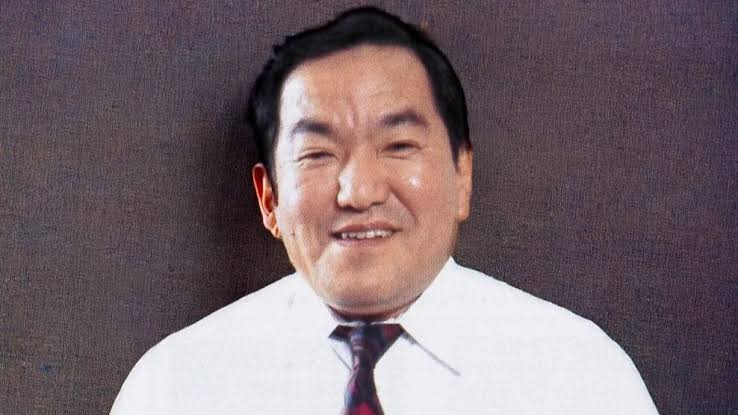
Hideki Sato — Hideki Sato was born on November 5, 1950, in Hokkaido, Japan, he led the design of Sega’s beloved consoles from the ’80s and ’90s.
Hideki Sato Biography 2025: Early Life
Hideki Sato was one of the most influential figures in video game history — a hardware engineer and executive whose creativity and leadership helped define an era of gaming. Known affectionately by fans as the “Father of Sega Hardware”, Hideki’s impact spanned decades, leaving behind a legacy that shaped how millions around the world experienced video games.
In this in-depth biography, we explore Hideki Sato’s life from his early years in Japan, through a storied career with Sega, and into his final days in 2026. This biography reflects on how his work influenced console design, inspired gamers around the world, and changed the gaming industry forever.
Background
Hideki Sato was born on November 5, 1950, in Hokkaido, Japan. Growing up in post-war Japan, Hideki showed an early fascination with technology and mechanical systems, a curiosity that would eventually guide his future career. After completing formal education, Hideki Sato attended Tokyo Metropolitan Technical College, where he honed his engineering skills and developed a solid foundation in electronic design.
His time in college not only equipped him with technical knowledge but also instilled in him a passion for innovation — a passion that would soon find a home in one of the world’s most exciting entertainment industries.
Joining Sega and Early Career
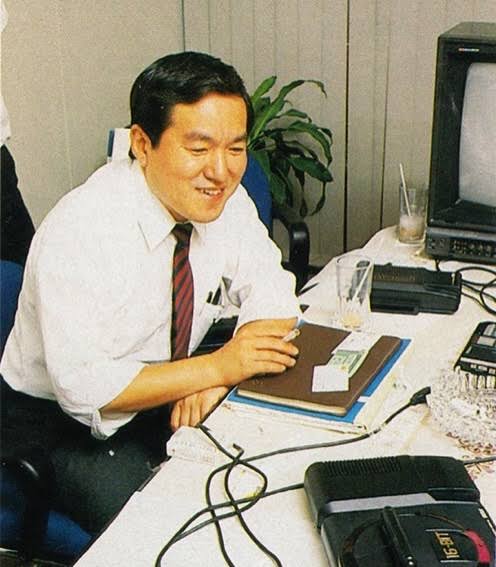
In April 1971, Hideki Sato began his professional journey with Sega Enterprises, Ltd., then a company primarily focused on arcade machines and other electronics. His early work involved arcade hardware design, where he quickly distinguished himself as a talented engineer with a keen eye for practical yet inventive solutions.
During this period, the gaming industry was still in its infancy, and Sega was emerging as a key player. Hideki Sato’s contributions helped Sega push the limits of what was technically possible — laying the groundwork for future consoles that would compete on a global stage.

Rise Through the Ranks
As the 1980s approached, Hideki Sato’s responsibilities increased. His keen technical insight and leadership abilities earned him promotions within Sega’s Research & Development division. By 1989, he had become Director and Deputy General Manager of R&D, where he played a central role in shaping Sega’s hardware direction.
In the early 1990s, Hideki Sato continued to climb the corporate ladder. By 1993, he was Managing Director and General Manager of Hardware Development and Design, a position that put him at the helm of some of the most ambitious console projects in Sega’s history.
Articles You May Also Like:
Dene BBMzansi Biography 2026 —Age, Background & Career
Alex Pretti Biography 2026—Family, Career, Net Worth & Death
Rob Hirst Biography 2026 —Age, Family, Career & Death
Pioneering Console Designs
The legacy of Hideki Sato is most visible in the consoles he helped bring to life. Throughout the 1980s and 1990s, his influence extended across nearly every significant Sega home console:
SG-1000
The SG-1000 launched in 1983 and marked Sega’s first foray into the home gaming market. Though modest by modern standards, it laid the technical foundation for Sega’s future hardware advancements.
Sega Master System
Building on the SG-1000’s architecture, the Master System brought more power and flexibility to home gaming, providing a competitive alternative to rival systems in the mid-1980s.
Sega Mega Drive / Genesis
With the Mega Drive (also known as Genesis in North America), Hideki Sato helped usher in the 16-bit era. Its technical prowess and strong game library made it one of Sega’s most celebrated consoles, challenging competitors and cementing Sega’s status in the global market.
Sega Saturn
The Saturn was designed with advanced capabilities for 2D and 3D graphics — a bold step into next-generation gaming technology. While its market performance was mixed, the Saturn remains a beloved console among fans for its unique library and hardware complexity.
Sega Dreamcast
The Dreamcast, released in the late 1990s, was a visionary console that anticipated many modern gaming features, including online play. Under Hideki Sato’s guidance, Sega pushed innovation, though the Dreamcast faced stiff competition in the evolving market.
Through these consoles, Hideki Sato not only advanced hardware design but also helped define the gaming experiences of generations. Each system pushed technological boundaries and reflected his commitment to performance and innovation.
Leadership at Sega
Hideki Sato’s success in hardware design naturally led to leadership roles. In 2001, he was appointed President of Sega, leading the company through a challenging transitional period. During his tenure as president (2001–2003), Hideki Sato faced industry pressures and strategic shifts, including Sega’s difficult choice to exit the hardware business and focus more on software.
As president, Hideki Sato worked to balance Sega’s legacy in console design with the realities of a changing market. His leadership was marked by a blend of technical expertise and deep knowledge of gaming culture — a combination rare in executive ranks.
Later Years and Legacy
After stepping down as president, Hideki Sato continued his association with the tech community. In 2008, he co-founded Advance Create, Inc., a company reflecting his ongoing passion for innovation and exploration in technology beyond Sega.
While Hideki Sato eventually retired from public life, his influence remained strong. Gamers and hardware designers alike continued to reference his work as a benchmark for creativity and engineering excellence. His name became synonymous with the pioneering spirit that defined Sega’s golden years.
Death and Global Impact
Tragically, **Hideki Sato passed away on February 13, 2026, at the age of 77. His death was widely reported and mourned within the gaming community and beyond. Known as the “Father of Sega Hardware”, Hideki’s passing marked the end of a towering chapter in video game history.
Fans, developers, and industry insiders paid tribute to his legacy, noting that his work helped shape not only Sega’s success but also the broader evolution of video game hardware. Consoles like the Mega Drive and Dreamcast, imbued with his vision, remain treasured artifacts of gaming history and continue to inspire designers and players alike.
Hideki Sato’s Legacy Today
Today, Hideki Sato is remembered not just for the consoles he helped create, but for the spirit of innovation he embodied. His career is a testament to the impact that one dedicated engineer can have on a global industry — from shaping how games are played to inspiring future generations of creators.
Though he is gone, the hardware he pioneered and the experiences he helped craft continue to live on in the hearts and memories of gamers worldwide.
Frequently Asked Questions (FAQs)
Who was Hideki Sato?
What consoles did Hideki Sato design?
When did Hideki Sato join Sega?
What was Hideki Sato’s role at Sega?
When did Hideki Sato die?
Why is Hideki Sato important to gaming history?
Is Hideki Sato dead?
Who Created Sega Game
Sources
- “Hideki Sato, known as the father of Sega hardware, has reportedly died” – Engadget (Engadget)
- Hideki Sato profile – Sega Retro (Sega Retro)
- “Hideki Sato, designer of Sega consoles and former president of the company, dies” – Meristation (AS USA)
- “Fallece Hideki Sato, el arquitecto detrás de la leyenda de Sega” – Ecuavisa (ECUAVISA)
- “Hideki Sato, father of Sega hardware, dies at 77” – Sportskeeda (tech.sportskeeda.com)